How to Know When Tree Removal Is the Right Choice
Trees add beauty, shade, and long-term value to your property, but when they decline, they can quickly turn from an asset into a risk. A weakened or diseased tree does not just lose its appeal; it can damage your home, driveway, or utilities and create safety hazards for your family. Many homeowners ask, “Should I remove a tree from my yard?” The answer depends on the condition of the tree and the risks it poses. Acting early can save money, prevent accidents, and protect nearby healthy trees. In this guide, we cover five clear signs it is time for professional tree removal in Bucks and Montgomery Counties.
1. The Tree Is Diseased Beyond Recovery
- Visible signs of disease include discolored leaves, unusual growths, peeling bark, or oozing sap.
- Fungal infections, such as mushrooms at the base of the tree, often indicate internal rot.
- Pest infestations like emerald ash borers or carpenter ants can weaken the trunk from the inside.
If more than half of a tree’s canopy is damaged, it may be too late to save it. And remember, if you ignore fungus at the base, you are not just risking the tree; you could also be risking your foundation. Removing a diseased tree prevents the spread of pests or pathogens to nearby healthy trees.
2. Structural Damage or Severe Leaning
- A tree that leans more than 15 degrees may be unstable.
- Cracks in the trunk or large split branches signal serious structural issues.
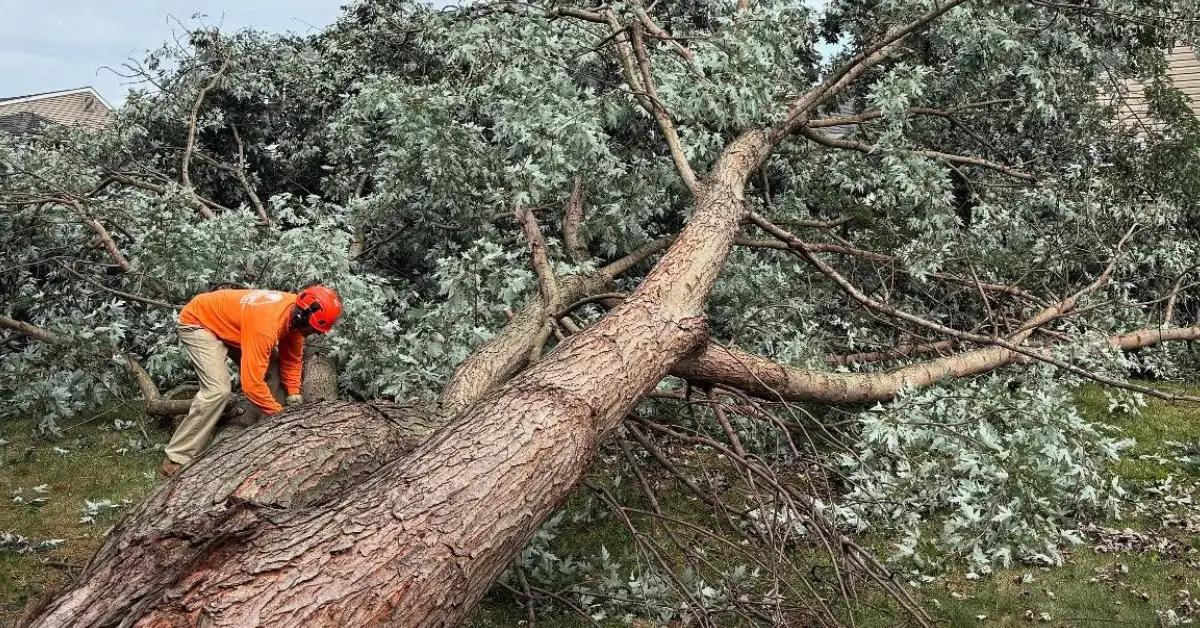
- Storm damage that leaves a tree partially uprooted or broken is often irreversible.
If you let a leaning tree stand, you are not just facing an eyesore; you could face a sudden collapse that damages your roof, car, or fence. Leaning trees can fall without warning, especially during high winds or heavy storms, making professional removal the safest choice.
3. The Tree Is Too Close to Structures or Utilities
- Roots damaging sidewalks, driveways, or foundations
- Branches interfering with power lines or your roof
- Overgrown trees blocking sunlight for lawns or gardens
If roots keep pushing under a driveway, you are not just facing cracks, you are facing a full replacement bill. When a tree has outgrown its space, trimming may not be enough. In many cases, removing a tree is the most practical solution to protect your home and utilities.
4. The Tree Is Dead or Dying
- No new leaves or buds during the growing season
- Large sections of bare branches
- Bark falling off in strips
Dead trees lose their strength over time and can fall unexpectedly. Removing them promptly ensures safety for your family, neighbors, and property.
5. The Tree Causes Safety or Liability Concerns
- Falling branches create hazards in yards, driveways, or sidewalks.
- Neighbors may be at risk if a hazardous tree is left standing.
- Insurance policies may not cover damage caused by neglecting obvious hazards.
If your tree poses a danger to people, property, or nearby utilities, removal is the responsible decision.
Should I Remove a Tree From My Yard?
Deciding whether to remove a tree can be a tough call for many homeowners. Trees provide shade, beauty, and value, but when they start showing signs of disease, structural damage, or decline, they can quickly turn into safety hazards. If you have noticed leaning, dead branches, fungal growth, or roots lifting sidewalks, it may be time to act.
The best way to know for sure is to schedule a professional inspection. Qualified arborists have the training to evaluate whether a tree can be saved through pruning or treatment, or if complete removal is the safest option. Acting early not only protects your home and family but can also prevent higher costs from storm damage or emergency removals later.
Quick Reference Guide: Signs Your Tree Needs Removal
| Sign | Why It Matters | Recommended Action | When to Act |
| Diseased beyond recovery | Can spread pests or pathogens | Remove to protect nearby trees | Within weeks |
| Structural damage/leaning | Risk of sudden collapse | Schedule a professional removal | Immediate |
| Too close to structures | Damages foundations, utilities | Consider removal or major trimming | Monitor or remove |
| Dead or dying | Unstable and dangerous | Remove before it falls | Immediate |
| Safety/liability concerns | Insurance may not cover damage | Proactive removal recommended | Immediate |
How Professionals Safely Remove Hazardous Trees
Tree removal is not just cutting down branches; it’s a carefully planned process. Professional crews follow strict steps to ensure safety and minimize property disruption:
- Initial Assessment: Certified arborists inspect the tree’s condition, root system, and surrounding structures.
- Safety Setup: Crews establish a secure work zone with protective barriers to safeguard homes, vehicles, and utilities.
- Specialized Equipment: Large or leaning trees often require cranes, rigging systems, and advanced cutting tools to lower sections safely.
- Step-by-Step Removal: Limbs are removed in stages before the trunk is dismantled. This controlled approach prevents accidents.
- Debris Management: Professionals handle cleanup, recycling wood into mulch or firewood, and hauling away debris.
Hiring licensed experts ensures that dangerous jobs are done safely, quickly, and with minimal disruption to your property.
Why Waiting Costs More in the Long Run
Many homeowners delay tree removal because they hope the problem will resolve on its own. Unfortunately, waiting almost always raises costs:
- Property Damage: Roots crack driveways and foundations, leading to expensive repairs.
- Emergency Removals: Storm-damaged trees often require urgent service, which costs more than planned removals.
- Injury Risk: Falling branches or sudden collapse can result in medical bills or liability claims.
- Insurance Issues: Some policies may deny coverage if you ignore visible hazards.
Removing a tree at the right time is not just safer, it’s also cheaper than waiting until it becomes an emergency.
What to Do After Tree Removal
Once a tree is removed, the job isn’t finished. Planning for the next steps will help restore your yard’s safety and appearance:
- Stump Grinding or Removal: Leaving a stump invites pests and creates a tripping hazard. Grinding it down leaves a clean, level surface.
- Soil Repair: Roots can leave voids in the soil. Filling and leveling ensures stability for future planting.
- Replanting Options: Consider replacing the removed tree with a native species that suits Pennsylvania’s soil and climate. Native trees provide shade, improve air quality, and enhance curb appeal.
- Landscaping Enhancements: A cleared space is the perfect opportunity to add flower beds, shrubs, or hardscaping features like patios or walkways.
With the right follow-up, removing a tree can become the first step in upgrading your outdoor space.
Frequently Asked Questions
How do I know if my tree is dead or just dormant?
Scratch a small section of bark. If the layer beneath is green, the tree is alive. If it is brown and brittle, the tree may be dead.
Can I remove a tree myself?
DIY removal is dangerous and not recommended for medium to large trees. Professionals have the equipment and training to do the job safely.
Does homeowners insurance cover tree removal?
Insurance may cover removal if a tree falls due to a storm and damages your home. Elective or preventive removals are usually not covered.
What is the average cost of tree removal?
In Pennsylvania, the average cost ranges between $300 and $3,000 depending on the size, location, and condition of the tree. Always request a personalized estimate for accurate pricing.
Can diseased trees be saved instead of removed?
Some diseases can be treated with pruning or fungicides if caught early. Once decay spreads to the trunk or roots, removing a tree is often necessary.
Can trimming extend a tree’s life instead of removing it?
Yes. Regular trimming can relieve stress on heavy branches, improve airflow, and slow disease progression. In some cases, this extends a tree’s life and avoids removal.
When to Call a Professional for Tree Removal
Don’t wait until a weakened tree becomes an emergency. Recognizing the warning signs early protects your property, your family, and your wallet.
When it’s time to take action, Bolton Landscaping & Tree Service provides homeowners in Bucks and Montgomery Counties with:
- Free consultations and same-day estimates
- Licensed and insured crews
- Crane-assisted removal for hazardous trees
- 24/7 emergency service
Our team has decades of combined experience and a reputation for reliable, affordable tree care.